Benefits of Henna
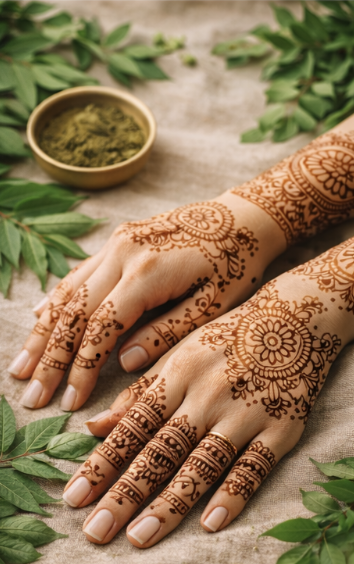
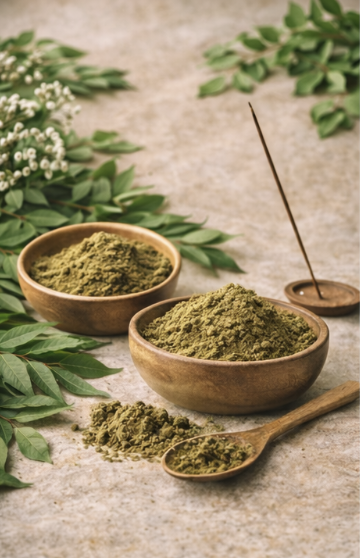
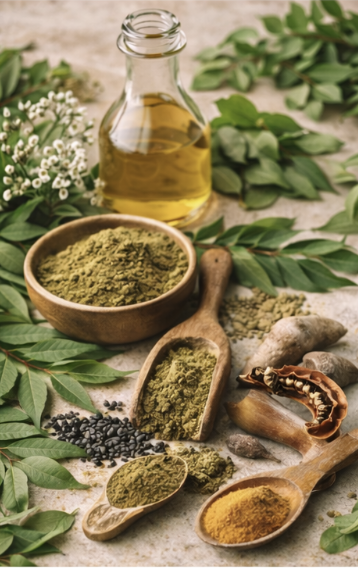
Henna is derived from a plant scientifically known as ‘Lawsonia inermis'. This plant, commonly identified by its small pink or white flowers, has been used around the world for thousands of years. Dating back nearly 9,000 years, henna was initially used as a natural cooling agent for people living in desert climates. Over time, it evolved into a powerful form of self-expression through body art and natural tattoos.
The versatility of henna makes it valuable not only culturally, but also medicinally. The plant contains a high concentration of nutrients and chemical compounds that give it anti-inflammatory, antibacterial, astringent, and antiviral properties. As natural remedies have long been considered some of the most effective forms of medicine, henna offers a wide range of benefits—some of which are outlined below.
Henna and hair:
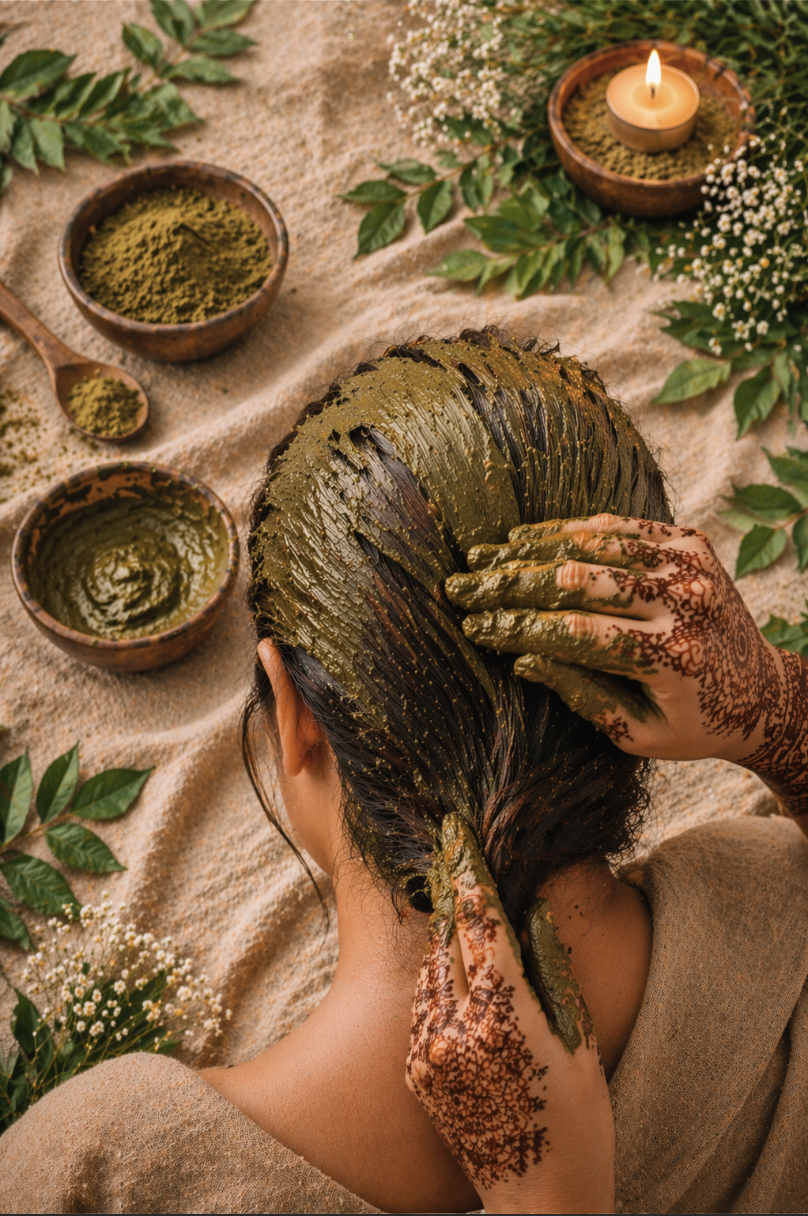
Henna is widely known for addressing various hair concerns, most notably the natural coloring of grey hair. For centuries, it has been used as a safe, chemical-free dye with no known side effects. In addition to coloring, henna helps eliminate lice, nits, and dandruff.
Unlike synthetic hair dyes, henna strengthens the hair and helps retain moisture within the hair follicles, promoting shine, strength, and overall hair health.
Treats skin issues:
Henna has traditionally been used to soothe and treat skin conditions such as eczema and dryness. Its anti-inflammatory and antibacterial properties have been shown to support the healing of minor wounds. Fresh henna leaves have also been used to treat fungal infections, including ringworm.
Reduce fever:
According to Ayurvedic practices, henna leaves are used to help cool the body and reduce fever. Fresh leaves are crushed or rolled into a paste with water and placed in the palms of the affected person. This process encourages sweating, which helps lower body temperature naturally.
A powerful Detoxifier:
Water infused with henna leaves or bark is believed to support liver and spleen health. However, it is strongly recommended to consult a doctor or qualified herbalist before consuming henna internally.
Reference
https://www.organicfacts.net/health-benefits/other/henna.html
https://www.thelotusroomnashville.com/living-ayurveda/2017/9/25/healing-benefits-of-henna