Essential oils & Henna
Terp my henna!
If you are a henna enthusiast, you would already know that different essential oils are used in henna paste to achieve a dark stain. You may also have come across the term “terps” being used by many henna artists around the world. What is this terp? Terp is a short form for monoterpenealcohol that is found in high quantity in certain plants. Essential oils with high levels of terpenes get more stain out of henna powder and onto your skin. A few names of different terpenes with low toxicity, found in some plants are terpineol, geraniol, cineol, cedrol and linalool.
According to my past experiments with henna paste and essential oils, ideally the minimum % of terp in your essential oil should be 45%. The higher the % of terp, the better the result. You should always purchase a small quantity from your supplier and learn from trial and error method.
Essential oils in henna:
The preferred method of extraction of essential oils used in henna pastes is steam distillation. Use only 100% pure essential oils in your henna paste that are not diluted with carrier oils. Essential oils should not be applied directly to the skin as it may cause severe irritation to the skin. Dilute the essential oils prior to use externally and to clarify, applying EO prior to henna application has not shown any significant changes in stain results.
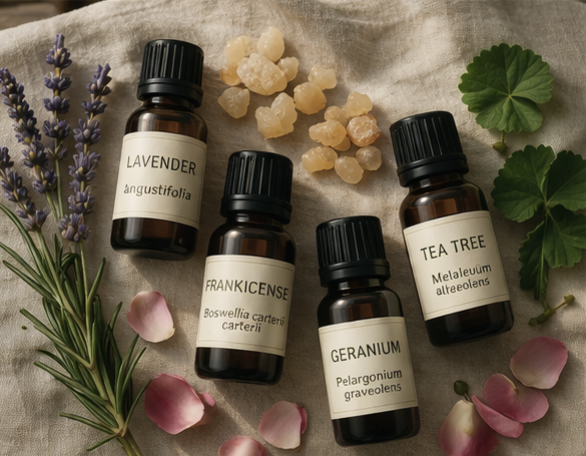
Let’s break down the details of 4 most famous and safest essential oils used in henna paste and recommended by majority of professional henna artists.
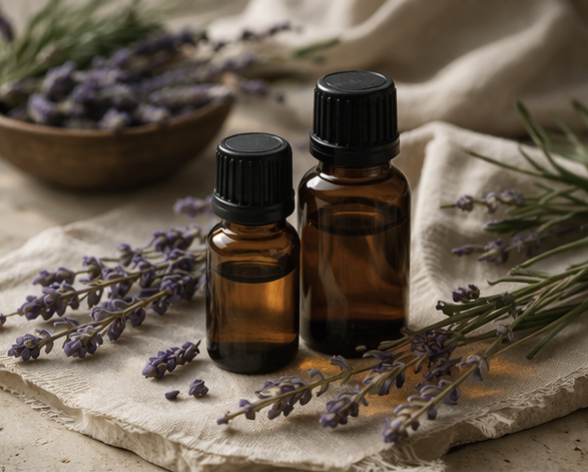
1. Lavender (Lavandula angustifolia):
Most henna artists agree that English, French or Bulgarian Lavender EO – 40/42 grown in high altitudes is the safest EO to use. Its main constituents are Linalool and Linalyl Acetate (Terps). Most suppliers blend Lavender 40/42 to match the ideal percentage of Linalool and Linalyl acetate esters, to release the best of Lavender's floral notes. Stay away from synthetically compounded Lavender EO that is easily available in the market. A top note of strong aroma, Lavender 40/42 has a fresh, herbaceous, floral scent with a woody, balsamic undertone.
2. Cajeput (Melaleuca cajeputi):
Cajeput mostly imported from Indonesia has reliably high levels of the safest, most useful monoterpene alcohols. Main constituent is 1,8-Cineole (Terp), which is found in high concentration in Cajeput essential oil. It has a fresh, camphorous aroma with a slight fruity note, with a medium strength aroma.
3. Eucalyptus (Eucalyptus globulus):
There are hundreds of varieties of Eucalyptus and only a few Eucalyptus essential oils darken the henna paste safely. The safest bet is aromatherapy grade eucalyptus globulus that mostly comes from Australia. Eucalyptus is not well regulated and could have unlisted ingredients that are downright dangerous. Its hard to predict the % of monoterpenes per brand or even batch of eucalyptus essential oil, it can vary wildly. Main constituent is 1,8-Cineole (Terp). A top note with a strong pungent aroma, Eucalyptus Globulus has an herbaceous scent with woody undertones.
4. Tea tree (Melaleuca alternifolia):
Similar to Eucalyptus, Tea tree also has a huge variety and is commonly grown in Australia. Tea Tree is considered to be safe for direct application to the skin but most artists dilute tea tree due to the strong nauseous scent. Main constituents are Terpinen-4-ol and 1,8 Cineol (Terps). Tea Tree has a fresh, slightly medicinal scent with characteristic woody, camphoraceous notes.
Just a small amount of certain essential oils have known to give a much better stain result. There is no specific quantity set yet to determine how much EO should be added to the henna paste but most henna artists have a general consensus on the amount.
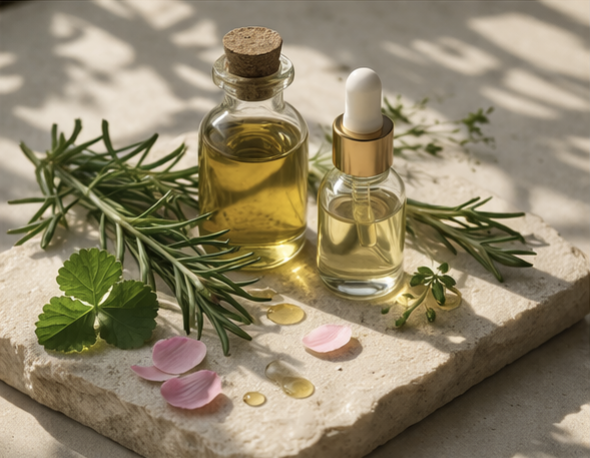
Essential oils like Rosemary, Frankincense, Niaouli and Geranium are known to have been used as well but give lesser effect when compared to Tea tree and Cajeput. They can also induce a lovely smell to the henna paste.
Where to get pure essential oils from?
Always make sure that you get your essential oils from trusted and known suppliers, who are following the storage and preparation guidelines. There are several products being sold in the market with low price and false labeling, which can most likely be a threat to your skin. Essential oils are known to have a strong potent smell and any product which smells like soap or shampoo are definitely fake.
Always ask for a material safety data sheet (MSDS) and/or certificate of analysis (CoA) from the supplier. If they cannot provide you with this information then run the other way and find yourself another supplier.
Precautions to take while using essential oils:
Some essential oils are known to have caused reaction to people with certain pertaining health conditions. Other skin sensitivities and skin allergies must be kept into consideration when it comes to application because these essential oils are potent on their own.
We have a list of the safest essential oils used in henna compiled (see above) for your assistance but please do your own research, always do a test patch and find out what is best for you or your client.
- Pregnancy and Breast-feeding women: There isn’t enough information about the fact that women who are expecting or feeding their little ones can use essential oils. Certain scents can also trigger morning sickness and nausea in some women. The majority agrees that the mildest essential oil that can stain dark and is also safe is Lavender. Always have your client check in with their doctor/ midwife prior to henna application.
- Children: Most of these essential oils can cause breathing problems in children if inhaled, swallowed or applied on skin. Keep away from the reach of children and avoid usage for ages under 5.
- Asthma patients: Because these essential oils are potent and very strong, it is not advisable for people with asthma to apply any of these essential oils. Always do a test patch to see if the aroma is acceptable for an asthmatic individual.
- Cancer patients: Ideally make your henna paste without any essential oil but if you may then Lavender is the safest EO to use. Always disclose full list of ingredients to your client and have them consult with their doctor.
Storage:
Most suppliers will have information on essential oil shelf life and on how to store essential oil properly. It is recommended that oils packaged in metal containers (for safe shipping) be transferred into closed dark glass containers, stored in a dark cool room (out of direct sunlight) to maintain freshness and attain maximum shelf life. Try buying essential oil that you will use within six months, especially Lavender. Typically the shelf life is up to a year for most essential oils.
Reference
http://www.hennapage.com/henna/how/terp.html#:~:text=Essential%20oils%20that%20are%20nearly,%2C%20Thyme%2C%20Rosemary%20and%20Marjoram.
https://hennacaravan.com/blogs/learn/ingredients-essential-oils